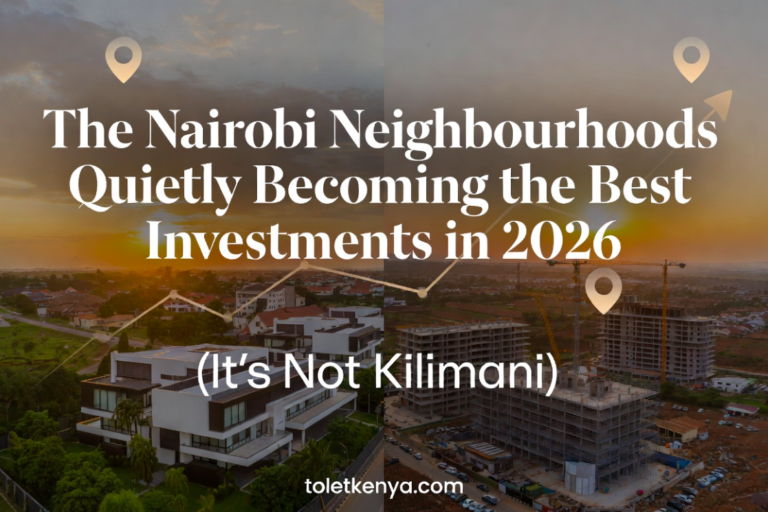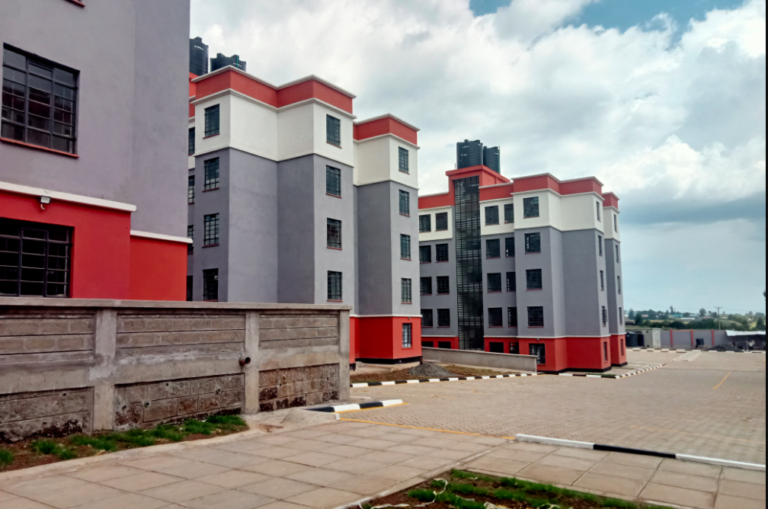

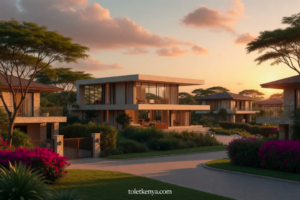
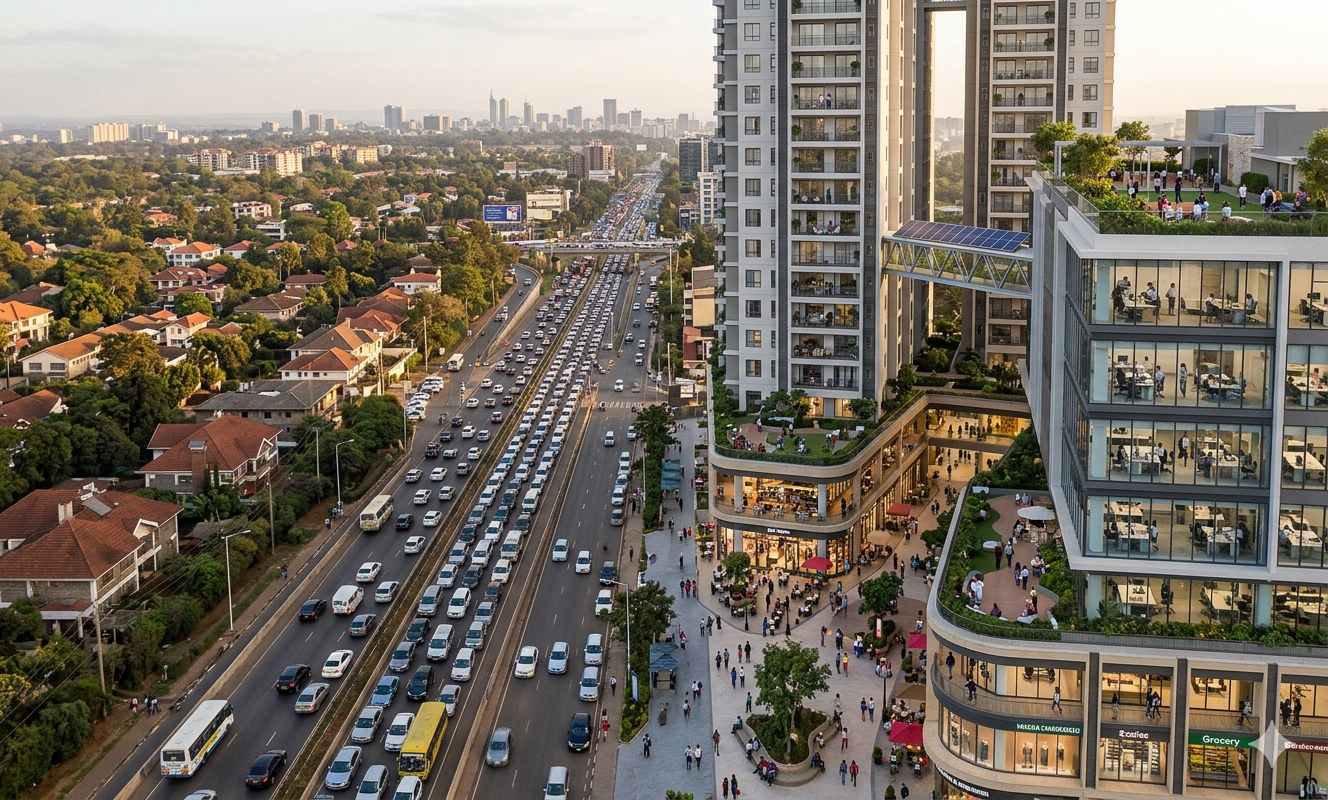
For decades, the Kenyan middle-class dream was defined by the detached bungalow in the suburbs. But as 2026 unfolds, that dream is undergoing a structural renovation. From the skyline of Nairobi’s Upper Hill to the hubs of Eldoret and Kisumu, a new architectural philosophy is taking hold: Mixed-Use Development (MUD). The “Live-Work-Play” model is no longer a marketing buzzword; it is a logistical necessity in a country grappling with rapid urbanization and evolving lifestyle demands.
The Death of the Commute
The primary driver behind mixed-use living is the intensifying “urban friction” of Kenyan cities. With Nairobi consistently ranking among the most congested cities in Africa, the traditional separation of residential zones and commercial hubs has become a source of profound inefficiency.
Mixed-use developments—integrated complexes combining residential units, Grade-A offices, and retail—offer a “15-minute city” solution. By placing the office floors below the bedroom and grocery anchors in the lobby, these hubs reclaim hours of lost time, effectively turning transit time into productive or leisure hours.
Anchor Projects Reshaping the Skyline
Several landmark projects have set the standard for this transition, proving that density can coexist with high-end amenities:
- Market Leaders: Early pioneers like Two Rivers and Garden City paved the way, but 2026 entrants have pushed the envelope. The Business Bay Square (BBS) Mall in Eastleigh has redefined high-density integration, while Mi Vida’s projects in Riruta show the model moving into the mid-market segment.
- Vertical Cities: In Kilimani and Westlands, the skyline is no longer dominated by standalone offices. New high-rises are self-contained ecosystems featuring rooftop “sky-parks,” coworking floors, and grocery anchors like Carrefour on the ground level.
- Satellite Cities: Beyond the core, Tatu City and Tilisi represent the macro-scale. These are privately managed urban jurisdictions designed to balance industrial zones with residential tranquility, bypassing the infrastructure lapses of traditional municipalities.
The Economic Engine
From an investment perspective, the shift is fueled by risk diversification. Developers have found that single-use buildings are more vulnerable to market fluctuations.
| Feature | Single-Use (Residential/Office) | Mixed-Use Development (MUD) |
| Revenue Stream | Single (Rent only) | Multi-stream (Leases, Retail, Service) |
| Rental Yields | 5% – 7% | 7% – 10%+ |
| Risk Profile | High (Sector-dependent) | Low (Cross-sector stability) |
| Occupancy | Cyclical | High (Internal captive audience) |
- Resilience: During economic downturns, mixed-use buildings offset dips in retail occupancy with steady residential yields.
- Institutional Interest: In 2026, Real Estate Investment Trusts (REITs) favor MUDs because they command rental premiums 20% to 30% higher than standalone units.
- Sustainability: These developments lead in IFC EDGE certifications. Centralized water recycling and integrated solar grids lower overhead, a critical factor given Kenya’s fluctuating electricity prices.
The “Plug-and-Play” Lifestyle
Mixed-use living signals a shift in Kenyan social dynamics. The “gated community” is evolving into the integrated community. While security remains paramount, the focus has shifted from isolation to curated convenience. The modern Kenyan professional—particularly the “Digital Nomad”—seeks lifestyle centers where networking happens at rooftop lounges and errands are run during a 15-minute break. This shift fosters “urban vibrancy,” replacing quiet, often lonely suburbs with active, pedestrian-friendly plazas.
The Policy Push: Affordable Housing & PPPs
The government’s Bottom-Up Economic Transformation Agenda (BETA) has acted as a catalyst. By 2026, the Affordable Housing Programme has scaled through public-private partnerships (PPPs). Government-led projects in Starehe and Shauri Moyo are essentially “Mixed-Use for the masses,” integrating MSME hubs and markets within residential blocks. This ensures lower-income residents access economic opportunities where they live, reducing reliance on costly public transport.
Challenges: Infrastructure and Holding Costs
Despite the momentum, the path upward faces hurdles:
- Infrastructure Strain: Massive developments pressure local water and sewage systems. In 2026, many developers must act as “mini-municipalities,” providing their own primary utilities.
- New Tax Realities: Higher land rates introduced by Nairobi City County have increased holding costs, pressuring developers to build higher and denser to maintain margins.
- Affordability Gap: While MUDs are moving toward the middle class, the “Live-Work-Play” luxury remains out of reach for many. Future growth depends on replicating the efficiency of Tatu City at a price point accessible to the broader economy.
The rise of mixed-use living in Kenya is a symptom of a maturing economy. As the country moves toward Vision 2030, the focus is shifting from “building houses” to “building environments.” For the Kenyan urbanite of 2026, the future is a vibrant, vertical village where the city is at their doorstep.