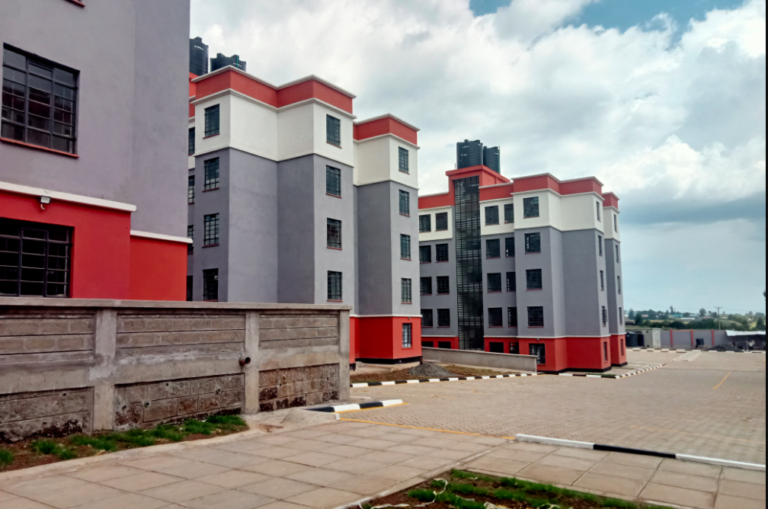



After several years of cautious activity, foreign investors are steadily re-entering Kenya’s real estate market in 2026. Renewed interest is being driven by infrastructure expansion, relative currency stability, and Kenya’s position as a regional business hub. While the rebound is not uniform across the country, certain locations and property segments are attracting most of the capital flowing back into Kenya.
Industry analysts say the return of international buyers signals confidence in Kenya’s long-term growth story, even as investors remain selective about where they commit funds.
Nairobi Remains the Core Investment Magnet
The majority of foreign property investment continues to concentrate in Nairobi, where demand for office space, serviced apartments, and mixed-use developments remains relatively strong. Multinational companies expanding regional operations are driving demand for high-quality housing, particularly in secure neighborhoods close to commercial districts.
Developers catering to this segment are focusing on projects with modern amenities, strong property management, and reliable infrastructure access. Foreign investors are particularly drawn to developments offering rental income potential tied to corporate tenants, as these typically provide more predictable returns.
However, market maturity in some premium districts has made investors more cautious. Rather than speculative purchases, most foreign buyers are prioritizing properties with proven demand and clear long-term value.
Coastal and Tourism-Linked Markets Regain Appeal
Kenya’s coastal region is also seeing renewed foreign interest, particularly in resort-style developments and beachfront apartments. Areas around Mombasa are benefiting from recovering tourism flows and improving transport links.
For international investors, coastal properties offer a different value proposition than Nairobi’s urban assets. While rental demand may be more seasonal, these properties often attract lifestyle buyers and diaspora investors seeking vacation homes with appreciation potential.
Developers report that inquiries from foreign buyers are rising again, particularly for secure gated communities and projects that combine residential and hospitality features.
Industrial Zones and Satellite Growth Corridors
Beyond residential property, foreign capital is increasingly targeting logistics parks, industrial developments, and land in emerging growth corridors around major transport routes. Kenya’s role as a gateway for East African trade continues to support demand for warehousing and distribution infrastructure.
Investors looking for long-term returns see opportunity in these segments, where demand is tied less to housing cycles and more to regional commerce. As infrastructure investment expands, these zones are expected to play a growing role in the property market.
A More Strategic Investment Approach
Unlike previous cycles, foreign investors returning to Kenya in 2026 appear more focused on fundamentals than speculation. Stable rental income, infrastructure access, and regulatory clarity are now top priorities.
This shift reflects broader global trends, where investors seek markets with strong demographic growth and predictable long-term demand rather than quick price gains.
For Kenya, the renewed interest brings both capital and confidence. While domestic buyers still dominate overall transactions, foreign participation often signals international trust in the market’s future.
In short, foreign investors are back — but this time, they’re buying with strategy, not just optimism.