


Kenya’s real estate sector is entering a more strategic phase in 2026, as investors reassess where the strongest returns lie. For years, luxury apartments dominated headlines and skylines, particularly in prime urban zones. Now, however, a noticeable shift is emerging across Kenya’s property market: capital is increasingly flowing toward affordable housing projects, even as high-end developments continue to hold appeal for certain buyers.
The result is a more divided but dynamic investment landscape, where both segments serve different financial strategies.
Luxury Developments Still Attract Premium Buyers
High-end apartments in cities such as Nairobi continue to appeal to diaspora investors, corporate executives, and multinational tenants seeking quality housing. Developers in this segment focus on security, amenities, and proximity to commercial districts, making these properties attractive for long-term leasing.
Rental yields for luxury units have stabilized rather than surged, reflecting a maturing market. While appreciation remains possible in well-located areas, investors are increasingly selective. Oversupply in some upscale neighborhoods has extended selling timelines, and buyers now scrutinize project quality and management standards more closely than before.
Even so, luxury housing retains its role as a store of value. Investors with significant capital often view these properties as stable assets tied to Kenya’s long-term urban growth.
Affordable Housing Gains Momentum
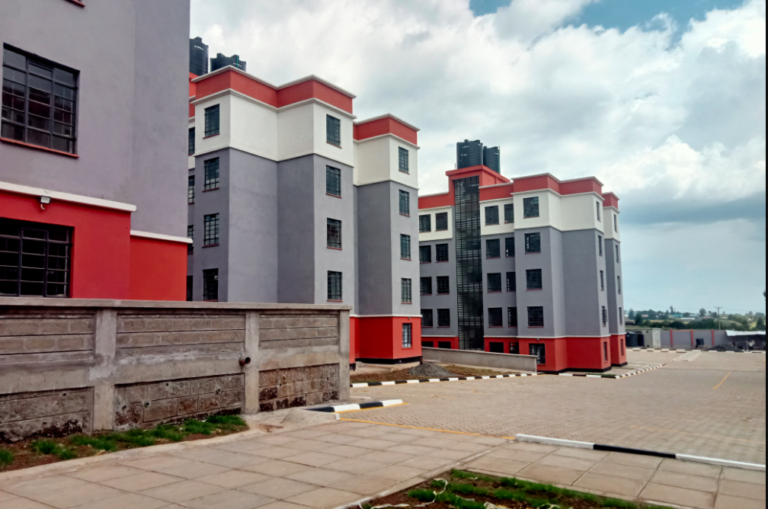
In contrast, affordable housing is rapidly becoming the focus of both private developers and institutional investors. Demand for mid-priced units far exceeds supply, driven by population growth, urban migration, and rising homeownership aspirations among middle-income earners.
Government-backed housing programs and public-private partnerships have also helped improve investor confidence in this segment. Developers are responding by launching projects in satellite towns and emerging urban corridors, where land costs are lower and infrastructure investment is expanding.
For investors, the appeal is straightforward: faster sales cycles, broader buyer pools, and steady rental demand. While individual unit margins may be smaller than in luxury projects, the overall risk profile is often lower due to consistent occupancy levels.
Also Read: Is Kenya’s Housing Surge Ending? New Data Reveals Market Shift
Returns vs Stability: Two Different Investment Plays
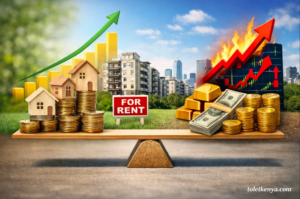
The divergence between luxury and affordable housing reflects a shift in investment thinking. Luxury apartments tend to offer prestige, potential long-term appreciation, and access to high-paying tenants. Affordable housing, on the other hand, provides liquidity, consistent rental income, and resilience during economic slowdowns.
Many investors are now diversifying across both segments, treating affordable housing as a cash-flow asset while maintaining selective exposure to premium developments for capital growth.
This blended approach mirrors global property trends, where mixed portfolios are increasingly seen as a hedge against market cycles.
A Market Reflecting Kenya’s Economic Reality
Ultimately, Kenya’s property investment patterns in 2026 reveal a market adjusting to demographic realities. The country’s expanding urban population needs housing at multiple price levels, not just at the top end.
For developers and investors alike, success now depends less on prestige and more on matching projects to real demand.
Luxury apartments remain part of Kenya’s property story, but affordable housing is where momentum — and increasingly, investor confidence — is building fastest.